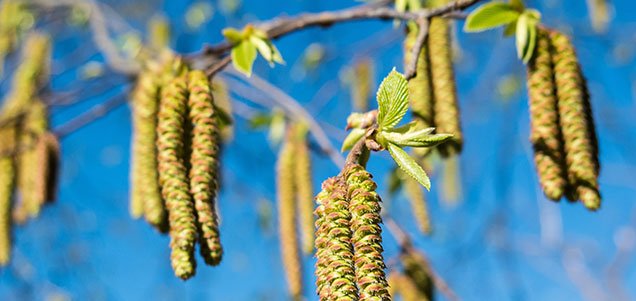
As I look out of my window I see Spring is on its way
Spring is coming in the quickening trees
Birdsong insistence is loading the breeze
Buds are aching on tensile stems
All arching skywards, sinuous bends

Spring is coming in the quickening trees
Birdsong insistence is loading the breeze
Buds are aching on tensile stems
All arching skywards, sinuous bends
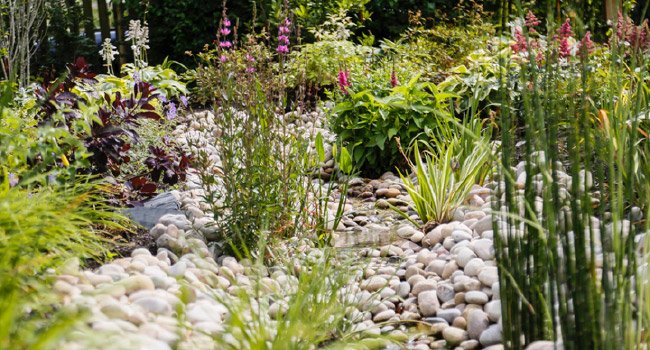
If your idea of heaven is a garden full of buzzing bees, birds singing in the trees and hedgehogs snuffling in piles of dead leaves, then maybe its time to make some real changes and give your garden over to wildlife.
If you’ve lived with the same garden for many years, perhaps now is the time for a change. Or maybe your large garden has become a burden and difficult to manage.
Perhaps you’ve got a young family and want your children to be able to explore and learn about nature in your own garden.
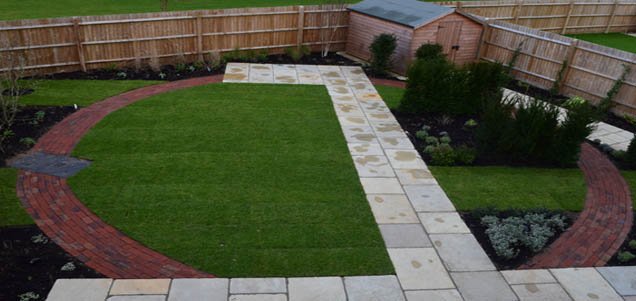
We transformed a blank canvas into a garden filled with interest, form and character.
When David and Catherine moved to Oxfordshire from Kent, they chose a new build as the place to enjoy their retirement. While their new home was hassle and maintenance-free, their new garden was a complete blank canvas of just a lawn and patio without any individual character or interest.
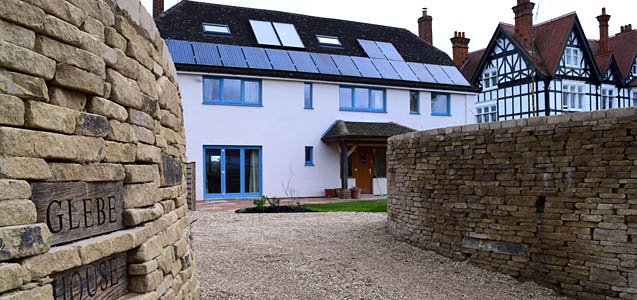
In November 2015, we started a project with some unusual challenges. Our client’s recently refurbished energy-efficient Superhome was set back from and raised up above a busy road in central Wallingford.
The brief was to create a front garden with space for parking, a seating area, a swimming pond and wildlife pond, natural planting and wildflower lawn. The clients were very keen to use native species of plants to encourage wildlife, with a further emphasis on reducing road noise whilst affording privacy and security.

We trickled a pebbly stream into a formal slate-faced, stepped water feature to connect our client’s garden to the local environment and give plenty of space for growing vegetables and entertaining friends.
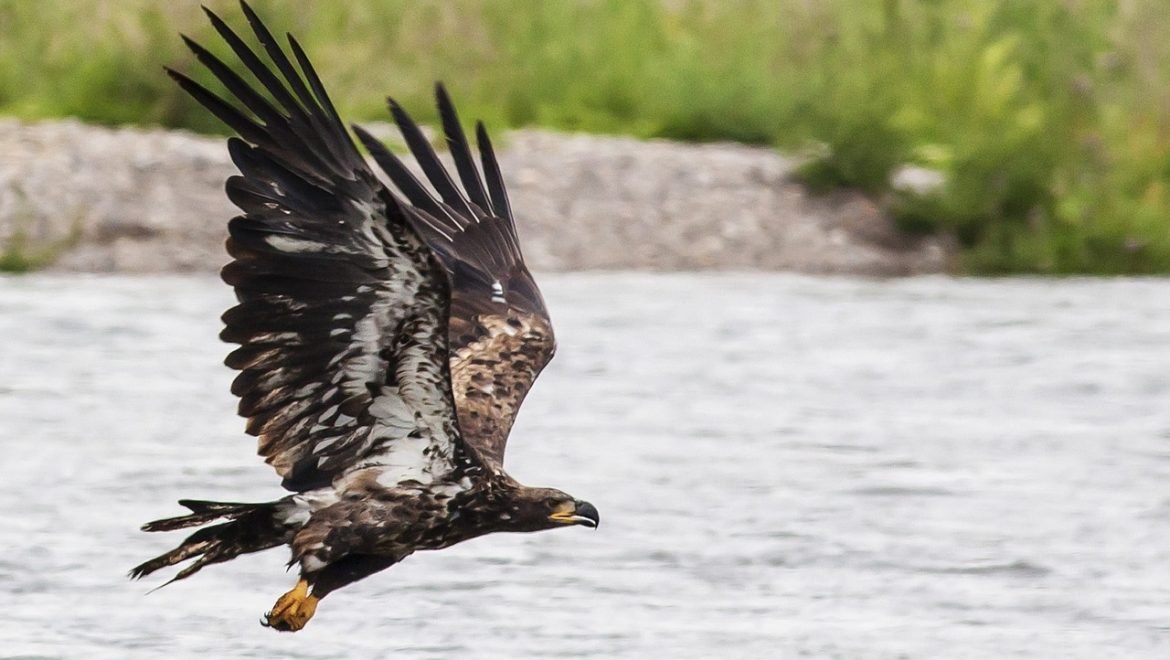
Following on from my earlier blogs on wildlife gardens and ponds you’ll have guessed by now that, allied to my professional interest in gardens and all things horticultural, is a fascination for wildlife and, in particular birds.
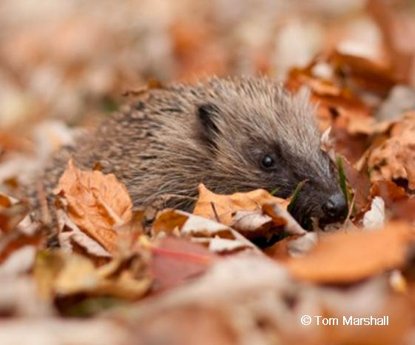
Last month we were waxing lyrical about Autumn leaves. But for most of us leaves are great while they are still on the trees, but once they fall, they lose their attraction. They can clog up ponds, kill your lawn, encourage slugs and generally make your garden look a mess. So this month’s top tips are all about leaves and what you can do to make leaves your friends:
“What would you like to get out of your garden?” This is the first question we ask our customers and over the last twenty or so years of designing and creating gardens, the answers have been many and varied. Most, however, tend to include the same overall themes; seating areas, lawns, colourful and interesting planting, space for the kids to play etc. Them come the ‘nice to haves’; water somewhere would be nice, lighting, irrigation (we never have time to water). Almost all say ‘low maintenance’ – no one has ever asked us for a ‘high maintenance’ garden!
Autumn leaves can be very evocative and one of the most dramatic signs of the changing season. But by the time they come, many of the jobs you need to think about to prepare your garden for the cooler months, should already have been started.
To save you having to worry about what you need to be doing in your garden during the Autumn and Winter so that it is ready to burst into life again in the Spring, we’ve put together an Annual Garden Care and Development Programme.
A visit to the beautiful grounds of Howbery Park last week to interview candidates for our new team (more on this later) prompted me to highlight what I feel are the most important features of our landscape – trees. I think they’re brilliant.