Category Archives: planting

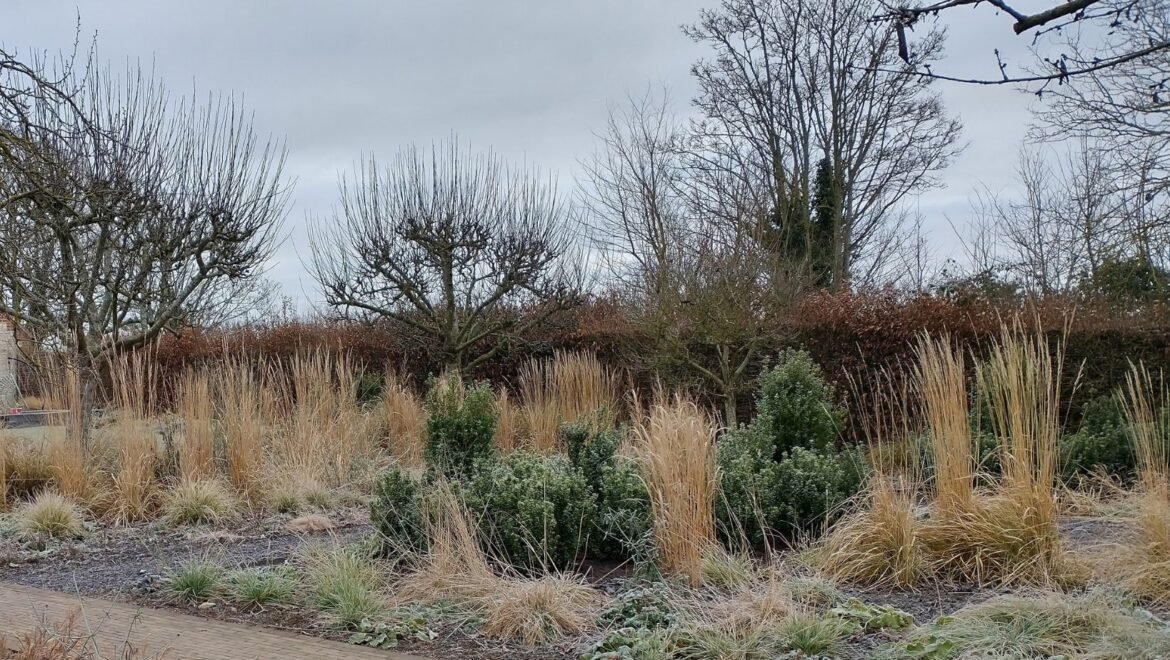
Image of a garden in winter

The Secret Season: 5 Winter Care Jobs Your Garden Will Thank You For

Winter Gardening

Many think winter is the time to “put the garden to bed.” The borders are often bare, trees and shrubs have lost their leaves, the lawn slows down and it’s tempting to retreat indoors until spring. But don’t be deceived – gardens never truly sleep. Even in the quiet months, life, colour and important work are happening above and below ground. Winter is when nature restores itself and when we can step in to give it a hand. It’s the moment when we can prepare for next year’s growth and tend to traditional craft jobs that support the health of our gardens. It’s a time to create vital habitats for wildlife, setting the stage for a thriving garden in the year ahead.

Here are some of the winter jobs you could be thinking about, whether you’re keen to keep your garden looking its best, want to increase biodiversity, or simply enjoy the satisfaction of good seasonal work.

Continue reading…
Water Resilience in the Garden

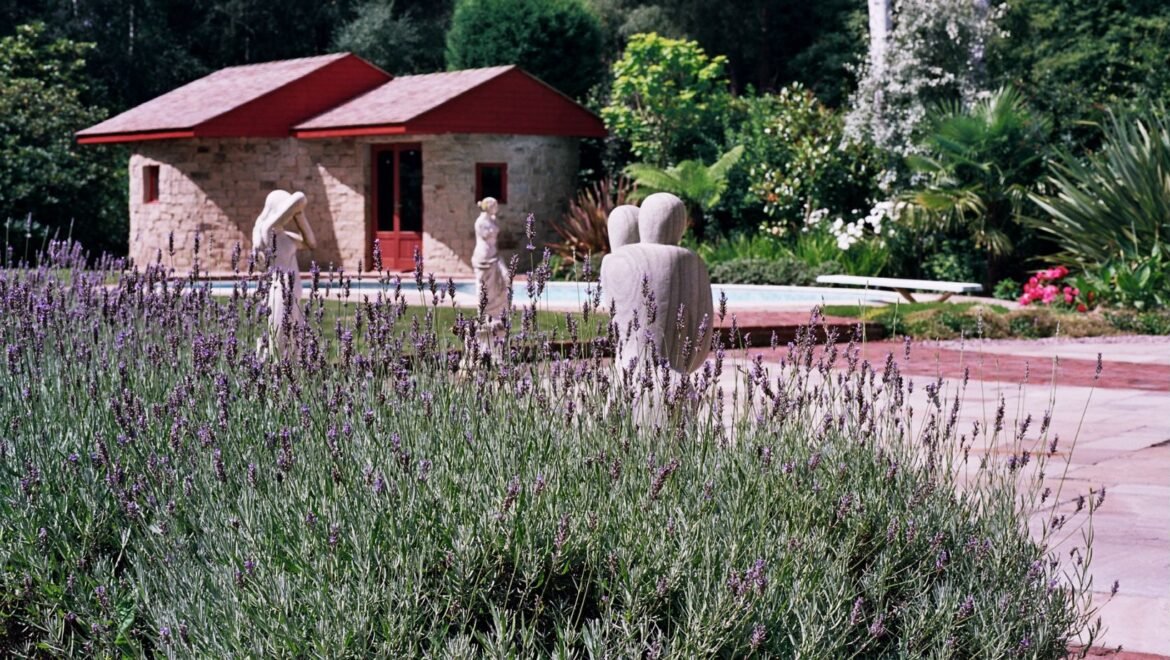
With heatwaves and hosepipe bans upon us, many homeowners are wondering how to keep their gardens thriving in the ever-changing climate. At GreenArt, we see water scarcity not only as a challenge, but also as an opportunity – to make gardens more resilient, sustainable, and beautiful even in dry conditions.

Water resilience is no longer just a nice-to-have, it’s becoming essential and it starts by working with water, not against it.

At GreenArt we’re inspired by the 4Rs of regenerative hydrology:

Retain, Recharge, Reuse, and Restore.


Here’s how you can apply these principles in your own garden.

Continue reading…
Image of six raised garden beds planted out, all but one, with a potting shed in the background. The area surrounded by hedged and planting to the borders.

Growing Vegetables With Biodiversity In Mind

Vegetable plots can make a lovely addition to your garden, providing cottage-garden-charm as well as a hobby and food source. On top of this, a vegetable plot is a great opportunity to incorporate more biodiversity into your space. Not only will increased biodiversity benefit the wildlife around you, but can lead to an increase in pollinators for your crops, better soil health and a beautiful harvest!

Continue reading…

Do you know your Laces?

When we say ‘Queen Anne’s Lace’, we think of tall, white, umbelliferous wildflower species that proliferate and take over the English countryside in Summer, and to say ‘there’s lots’ is an understatement! You can find them pretty much everywhere in the UK, from sprucing up our roadsides to dappling the forest floors. So, when it comes to planting in your meadows, it’s nice to know which is actually which. 

Continue reading…
re-wilding your garden

Re-wilding your garden – what difference can you make?

How to continue your re-wilding journey

Many of us have now set aside or made changes to some parts of our gardens to make them friendlier to wildlife.

Leaving a corner to go wild with brambles or nettles, ‘No-mow May’ or leaving leaf litter and plant debris under hedges or in beds are all ways to attract insects, small mammals and birds to our gardens. For many of us, this is just the first step on a re-wilding journey.

The true principles of re-wilding go well beyond transforming all or most of our garden into a haven for nature, however. Re-wilding means extending beyond and across boundaries to neighbouring gardens and green spaces.

To make re-wilding a reality and also a success, what’s needed is scale and size; conjoined areas of land to create a habitat for a pool of biodiversity. This is the challenge for home-owners and Garden Designers alike.

Continue reading…

How can a new garden help the environment?

Photo Credit: GreenArt

You can be forgiven for thinking that digging up an established or even brand new garden to plant new plants in another layout is an indulgence.  However, when a garden is not designed with the environment in mind, a change is what is needed to allow your garden to make a positive impact on the world around it.

One of our core values at GreenArt is all about taking care of our environment.  It is easy to see a shiny new garden in our images, but a great deal goes into our designs to ensure they do their bit for the environment.

Continue reading…

Low Maintenance doesn’t mean No Maintenance!

It may not come as much surprise to hear that we are often asked for a ‘low maintenance’ garden when it comes to designing green spaces.

This may be due to many reasons; being new to gardening, having a young family, older age, restricted mobility or simply not having enough time.

For a keen gardener, tending to borders and lawns is a much-enjoyed pastime, but for a lot of people managing a garden can often feel overwhelming and all too often a chore, rather than a pleasure.

Here we discuss some low-maintenance garden design considerations without having to turn your garden into a concrete jungle!

Continue reading…

Spring Blooming Bulbs

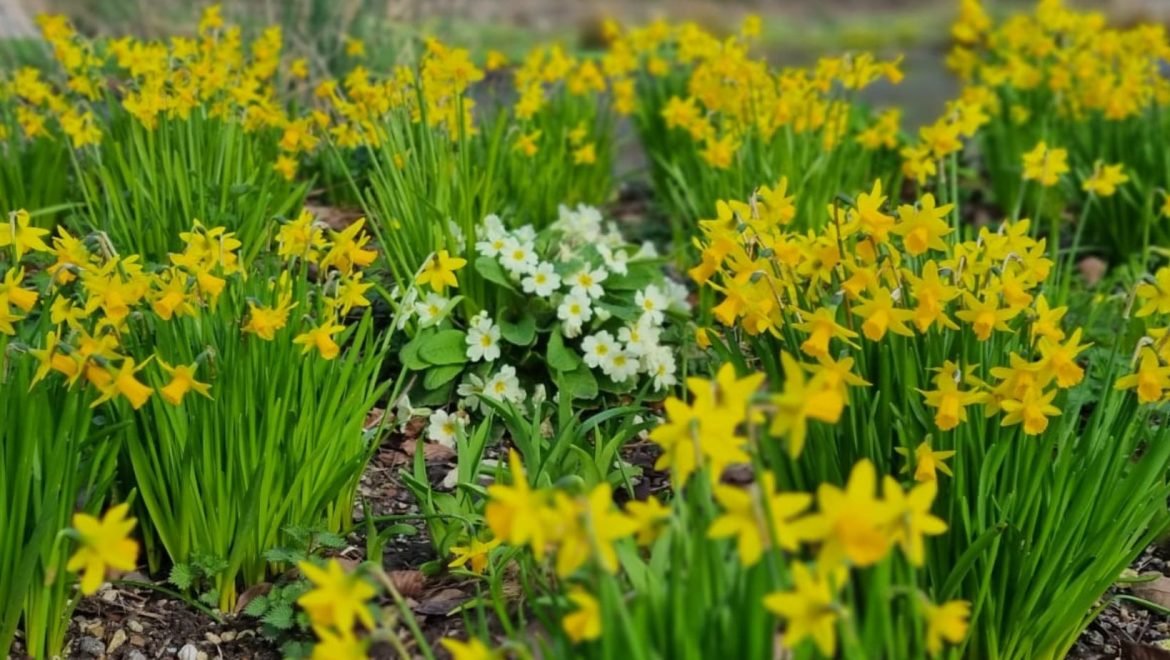
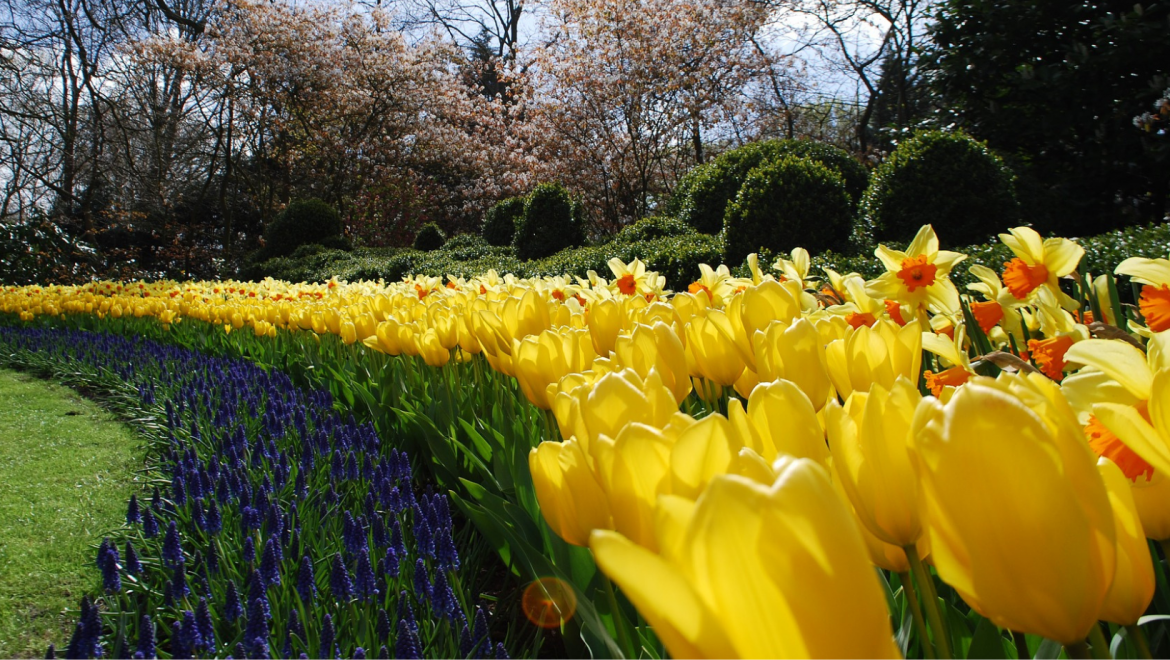
Vibrant colour in the garden is often, and most easily provided by bulbs. Hyacinths at Christmas, Crocus in the New Year, Daffodils in Spring and Tulips in early Summer.

Many of these bulbs are planted in Autumn and are dormant through winter. These bulbs need cold temperatures in order to produce a flower bud for spring which is part of the reason they are planted at this time of the year.

So now’s the time to start planning your bulb planting scheme ready for next year.

What bulbs will you be planting this Autumn?

Continue reading…
Babylon Nursery Garden Ideas

Blooming Marvelous Planting Scheme Ideas

As a Trainee Designer at GreenArt, part of my job is to work with our Garden Design team to create planting schemes for our clients. These can be schemes to refresh an existing area of a garden or as part of a completely new Garden Design.

I recently visited our local wholesale nursery Babylon Nursery  to source herbs for a customer’s vegetable garden. Whilst there I took the opportunity to have a look around and see if anything in bloom caught my eye. Here’s what I found that sparked some fresh ideas for planting schemes.

Continue reading…