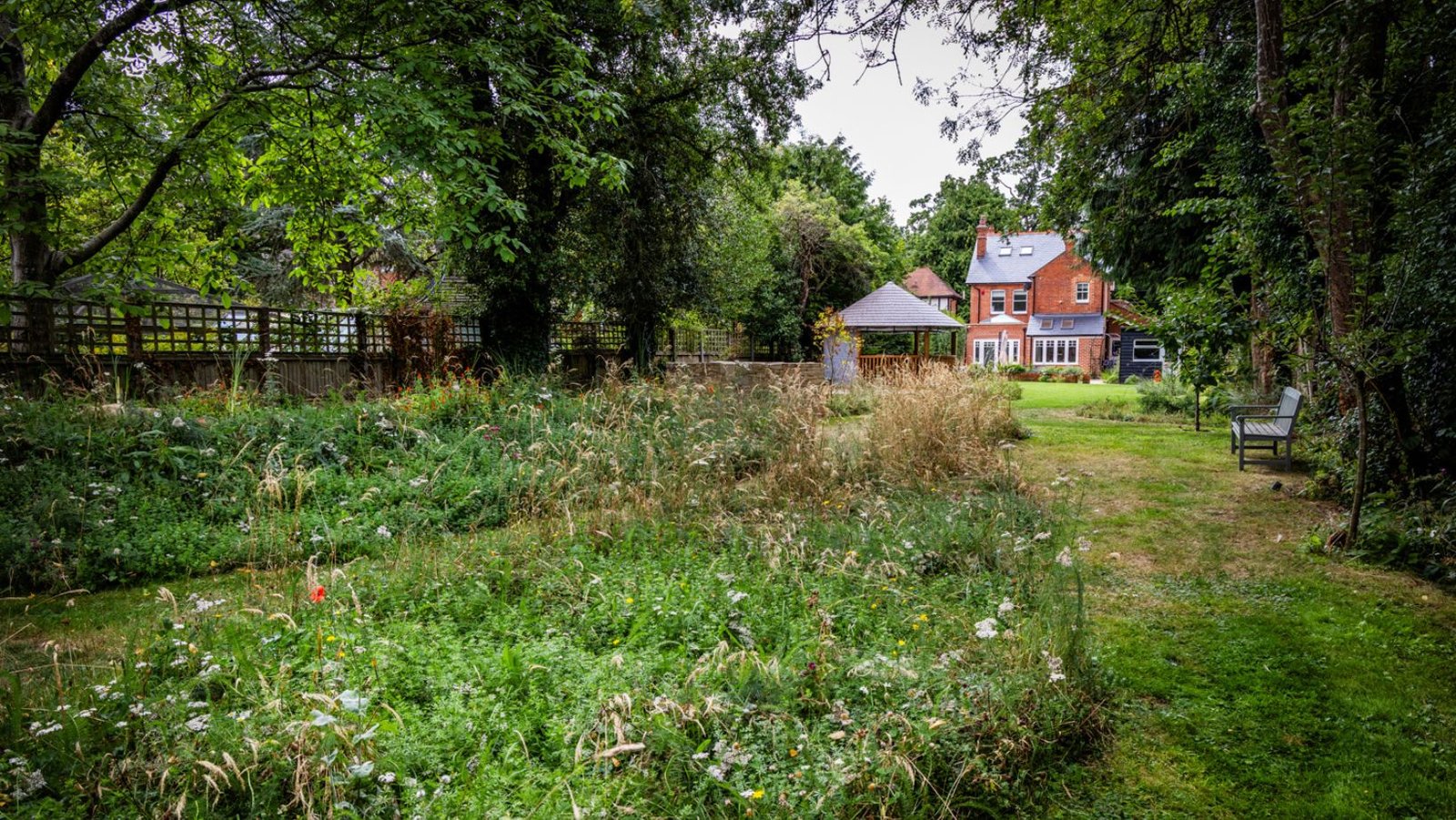
If you’re reading this, it’s safe to assume that your garden matters to you. Whether it represents a lifetime of hard work and dedication, a weekend retreat or a space to enjoy with the family, it makes a positive difference to you. But have you ever thought of your garden as being part of something bigger? Something with more power, more potential and more ecological value than you might think.
Your garden is an important part of a wider, living network that supports wildlife, improves resilience, stores carbon and contributes to the health of the environment around us. Even small decisions made in a single garden can have a real impact.
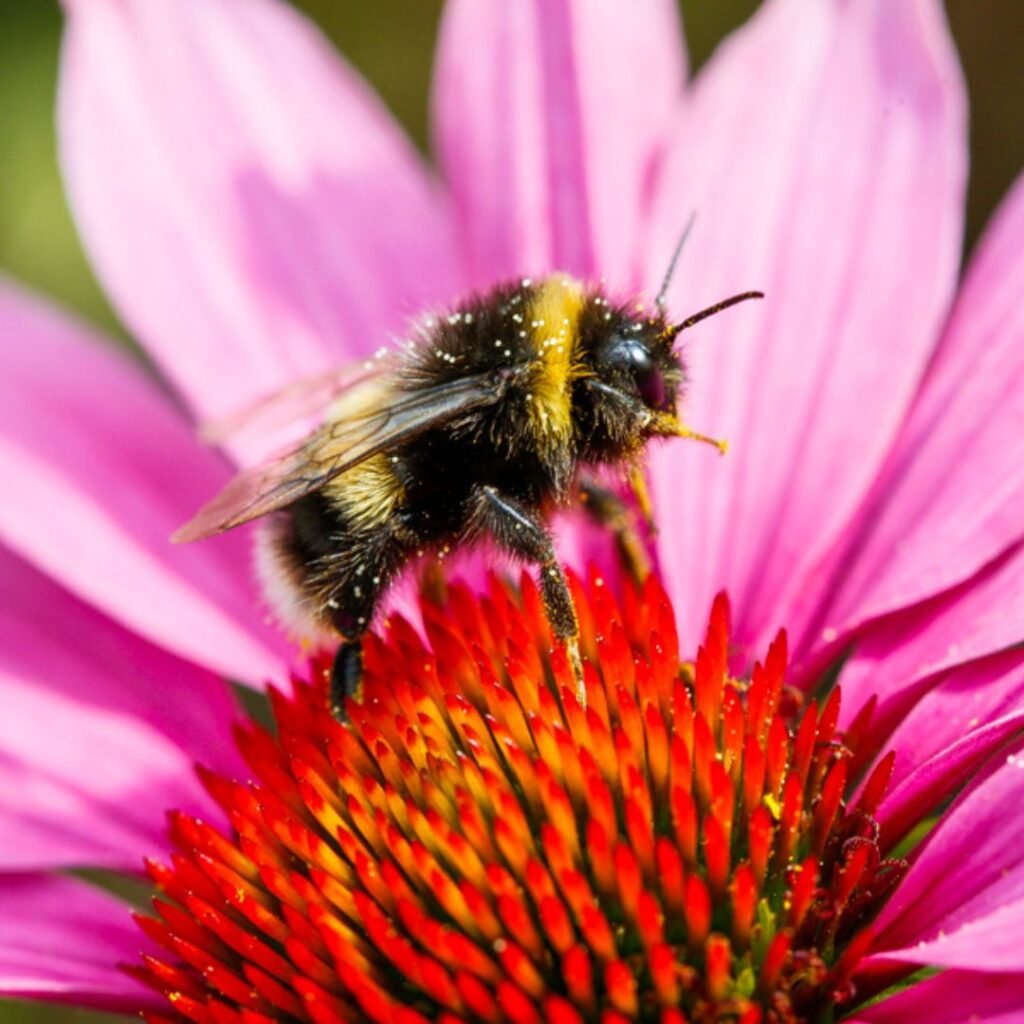
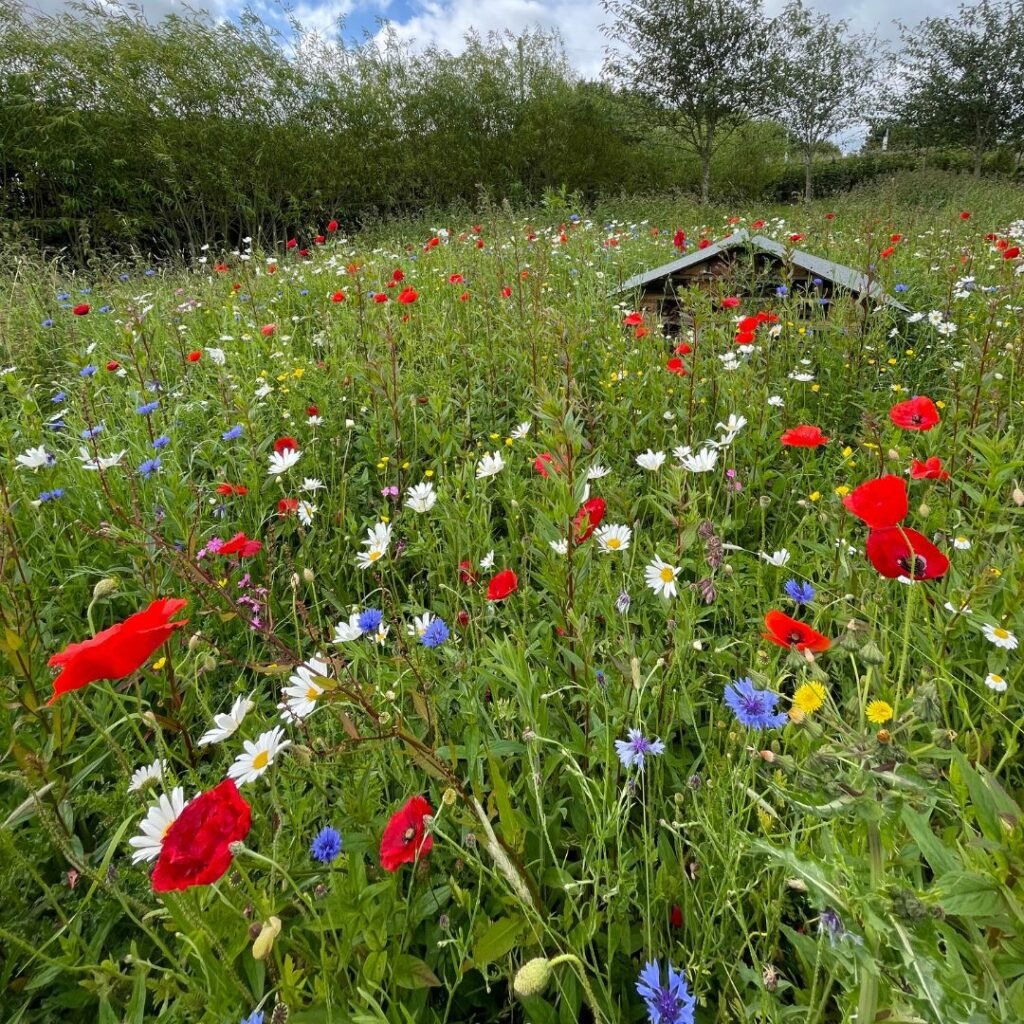
Gardening for wellbeing, wildlife and biodiversity
Two recent publications have highlighted this more clearly than ever. Firstly, the RHS has released its new ‘State of Gardening Report’; the most comprehensive picture to date of how gardening contributes to the wellbeing of people, wildlife and the wider UK landscape. At the same time, Oxfordshire County Council launched its Local Nature Recovery Strategy; a county-wide plan to restore habitats, strengthen biodiversity and connect the green spaces that weave through our towns, villages and gardens.
Beautiful, resilient gardens
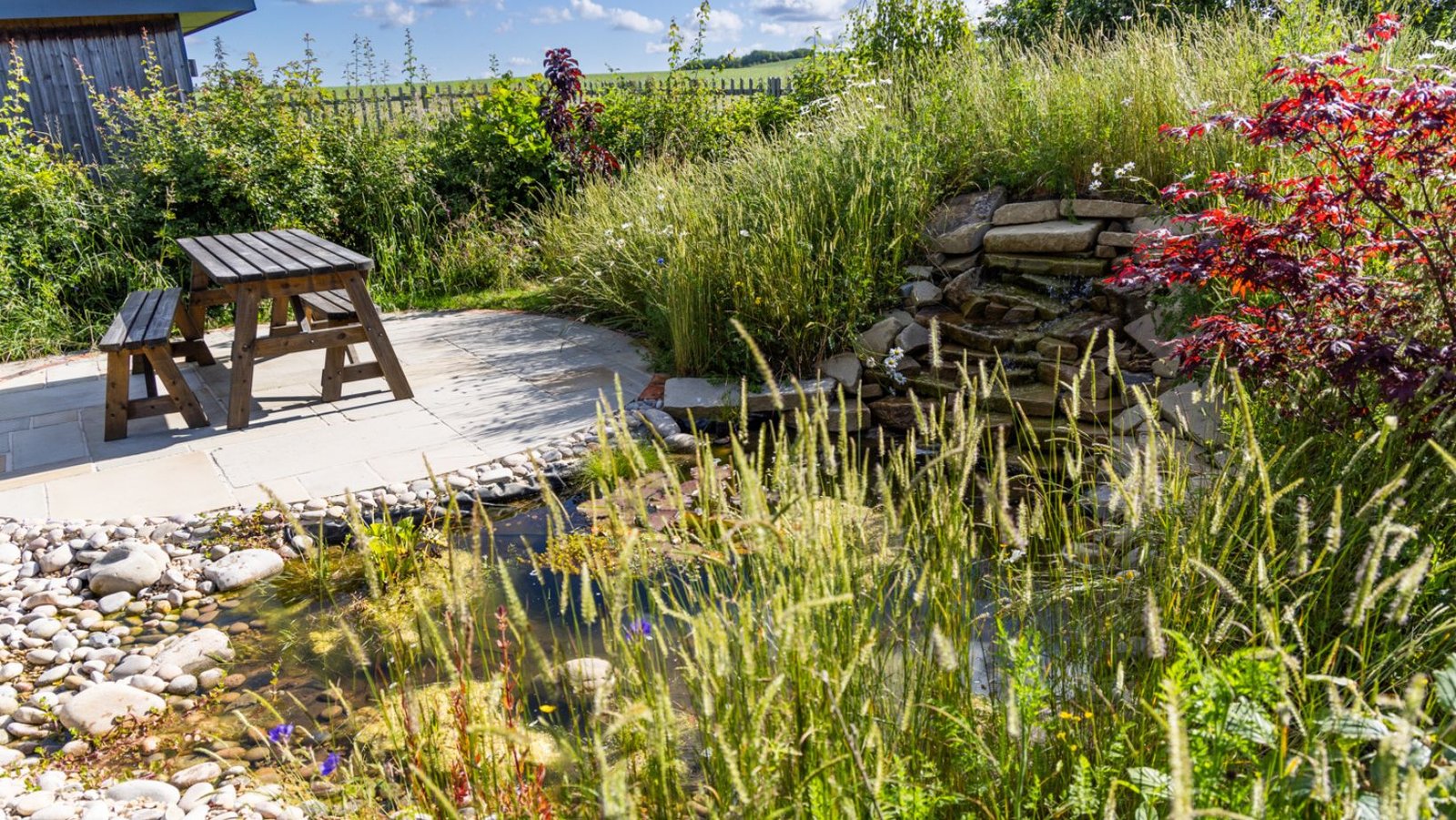
At GreenArt, we have always seen gardens as beautiful places filled with life, resilience and purpose. Of course, a garden should be beautiful, personal and enjoyable. But it can also be a thriving home for wildlife, a cooling space in hot summers, a sponge during heavy rain and a haven that supports wellbeing.
That is why our approach has always been to work with nature, not against it.
In practice, this looks like:
- choosing plants that attract bees, butterflies and birds
- planting with local conditions in mind so gardens thrive, not struggle
- improving soil health rather than fighting against it
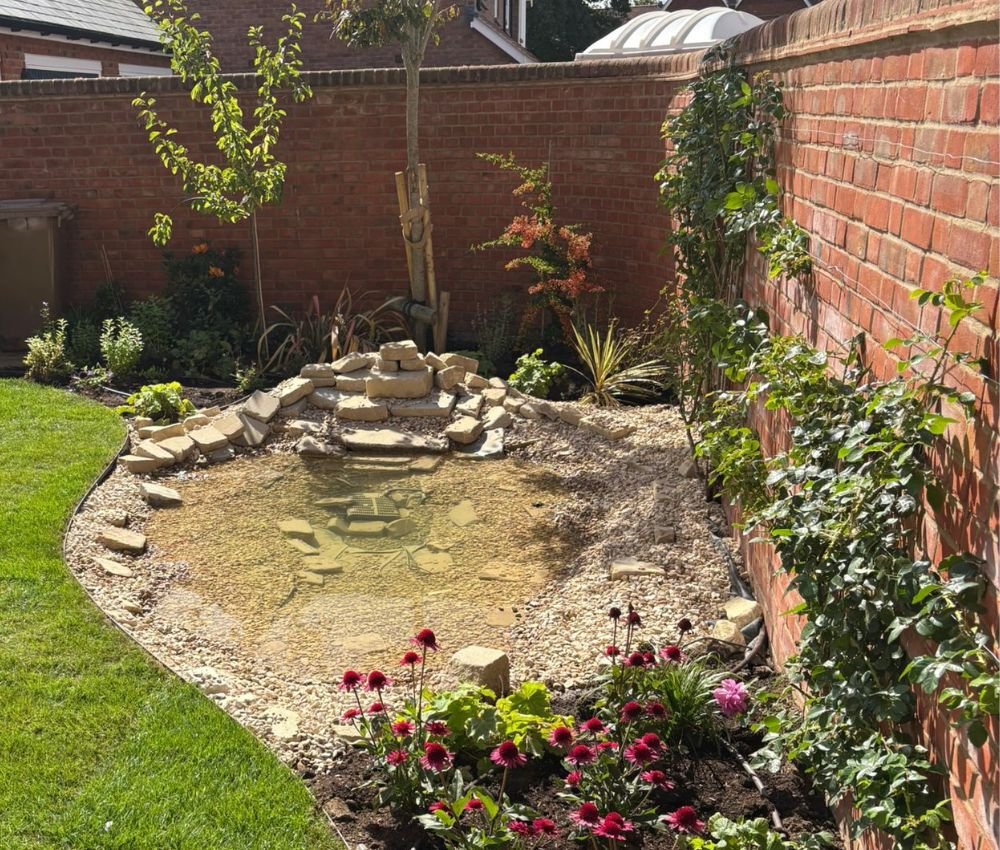
- making space for water with ponds or permeable surfaces
- reducing or removing chemical inputs wherever possible
- creating habitats that allow wildlife to move, feed and shelter
- selecting sustainable, long-lasting materials
Put simply, we believe a garden can be both stunning and life-supporting.
And the exciting part is that any garden, no matter its size or style, can make a meaningful difference. Whether you’re exploring small garden ideas or thinking about broader garden design ideas for a larger space, thoughtful choices can support wildlife, strengthen habitats and create a beautiful garden with purpose.
The importance of UK gardens
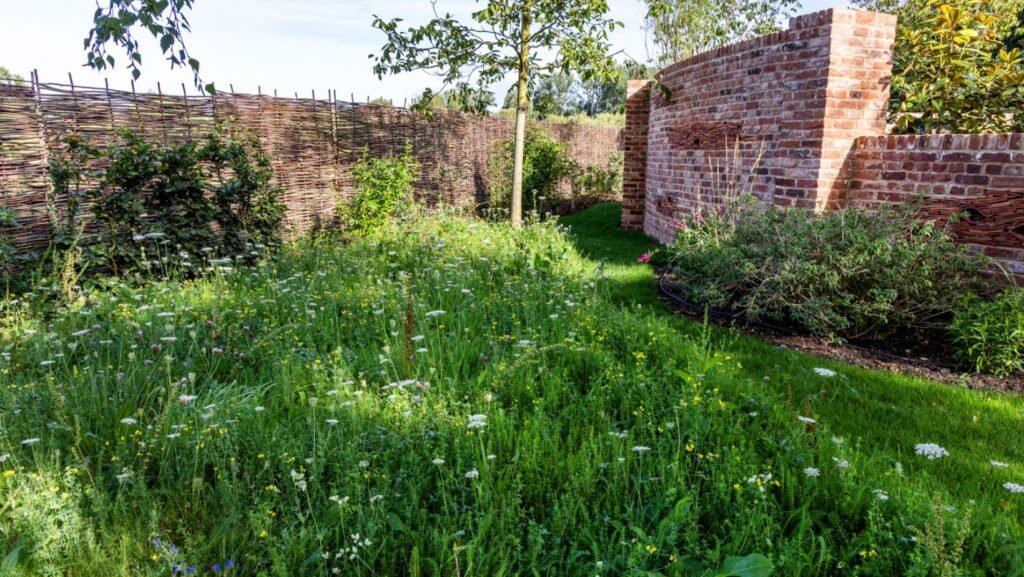
The RHS State of Gardening Report shows the scale and importance of UK gardens revealing the true impact of gardening in the UK. Key findings include:
- UK gardens now cover almost one million hectares
- This is more than threes times the area of all National Nature Reserves
- Gardens support over half of the UK’s bird, butterfly, amphibian and mammal species
- They contain more than 50 million trees and store around 158 million tonnes of carbon
- They provide more than 45 ecosystem services, including cooling built up areas and improving water absorption
- 77% of people say gardening improves their mental health
- Gardening contributes £38 billion to the UK economy and supports 722,000 jobs
Gardens are no longer viewed as private, ornamental spaces. They are recognised as vital ecological assets.
Restoring biodiversity and connecting habitats
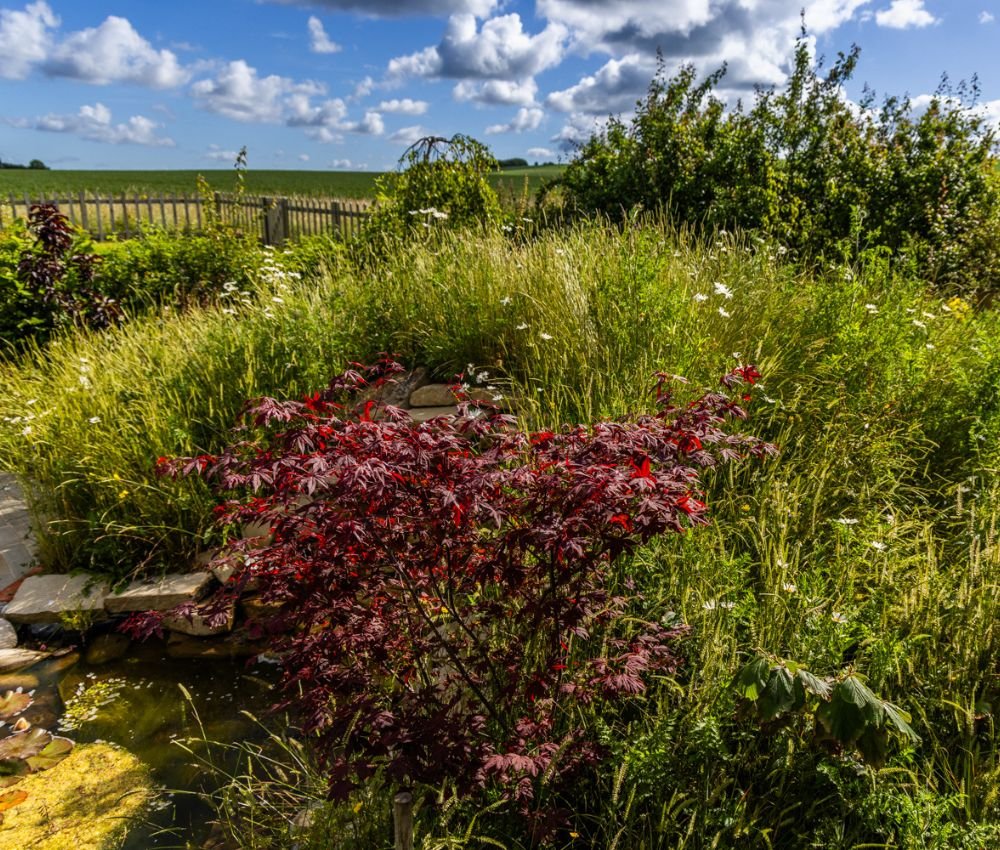
Oxfordshire’s new Local Nature Recovery Strategy sets out a shared plan to restore biodiversity and create better connected habitats across the county. It prioritises:
- pollinator friendly planting
- wildlife corridors between gardens and green spaces
- ponds, wetlands and rain gardens
- wildflower rich meadows and species rich grassland
- hedgerows and tree planting
- soil health
- waterwise design and flood resilience
Crucially, the strategy recognises that garden owners are essential partners in this work. Nature recovery is not just the responsibility of farmers, councils and conservation groups. It begins in neighbourhoods, communities and gardens like yours.
You can even explore how your garden fits into the countywide plan using the interactive map.
Small steps, meaningful change
This blog marks the start of a new series where we will explore the findings in these reports in more depth and translate them into practical steps for your garden.
Over the next few blogs we will look at:
- how to build your garden confidence
- how your garden connects to Oxfordshire’s wider habitat network
- how to adapt to a changing climate and manage water more naturally
- how to garden in ways that support wildlife and biodiversity
- how to reduce waste and garden more sustainably
We believe every garden can be a force for good, and we are here to help you make the most of yours.
If you would like to book a free consultation get in touch at info@greenart.co.uk, call 01491 280447 or visit www.greenart.co.uk.