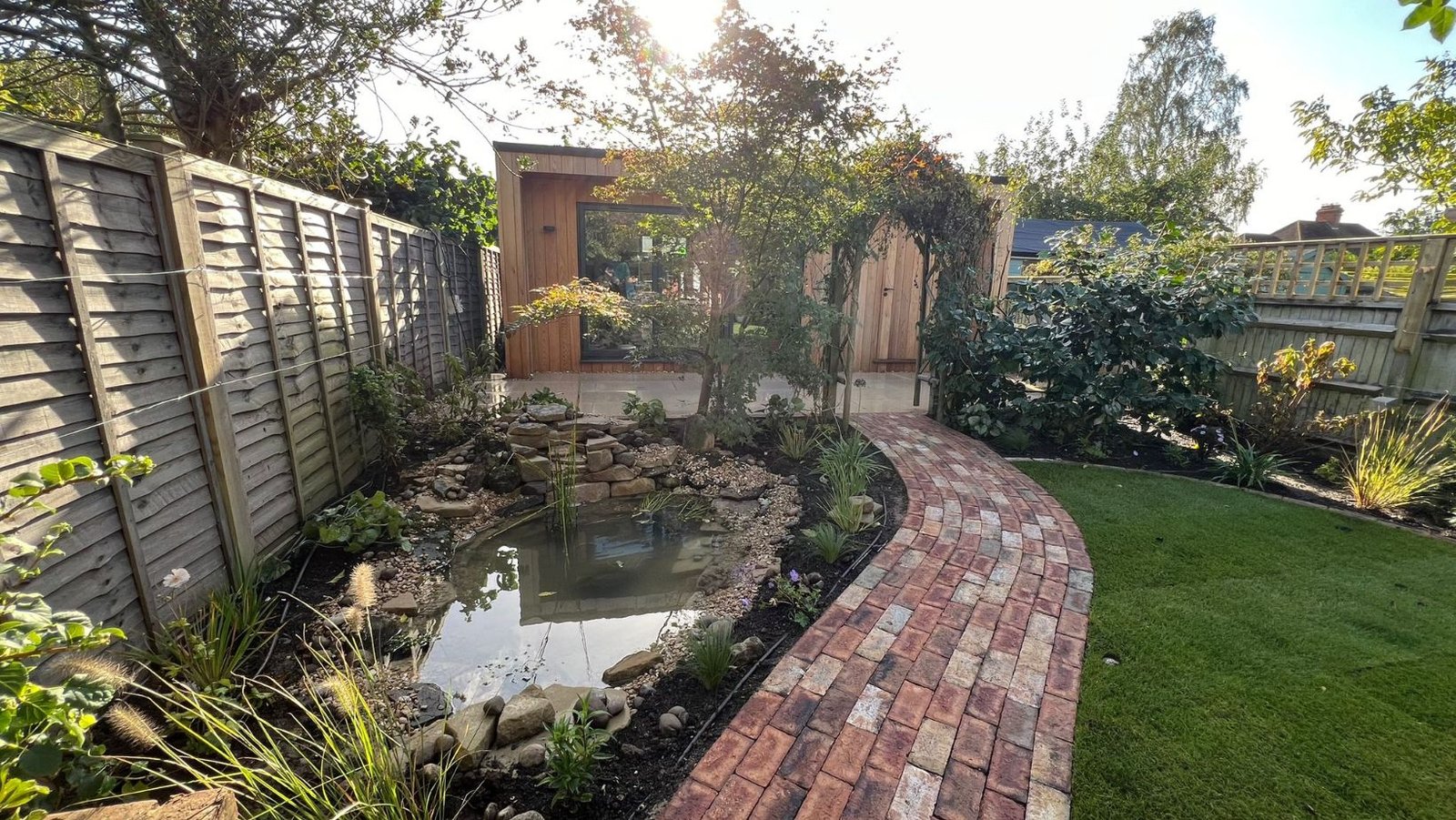
A pond is the single best thing you can do for wildlife in your garden
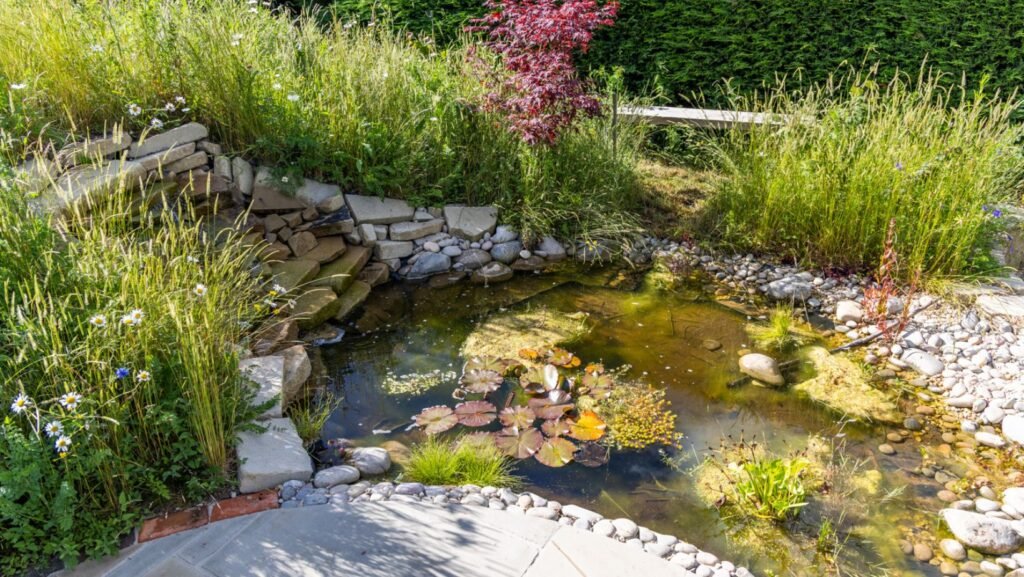
There is something almost magical about a garden pond. The way it catches the light on a still morning. The first frog you notice sitting on the edge in spring. The dragonfly that appears, as if from nowhere, hovering briefly before darting off again. If you have ever sat beside water in a garden, even a small one, you will know exactly what we mean.
But garden ponds are far more than a beautiful feature. They are, according to the science, one of the single most powerful things for wildlife you can add to any garden. And in a county where freshwater habitats have been disappearing for decades, your garden pond matters more than ever.
In our last blog, Why Your Garden Matters, we looked at the broader picture of what gardens contribute to wildlife, wellbeing and the environment around us. Why Ponds matter for wildlife deserves a blog of its own.
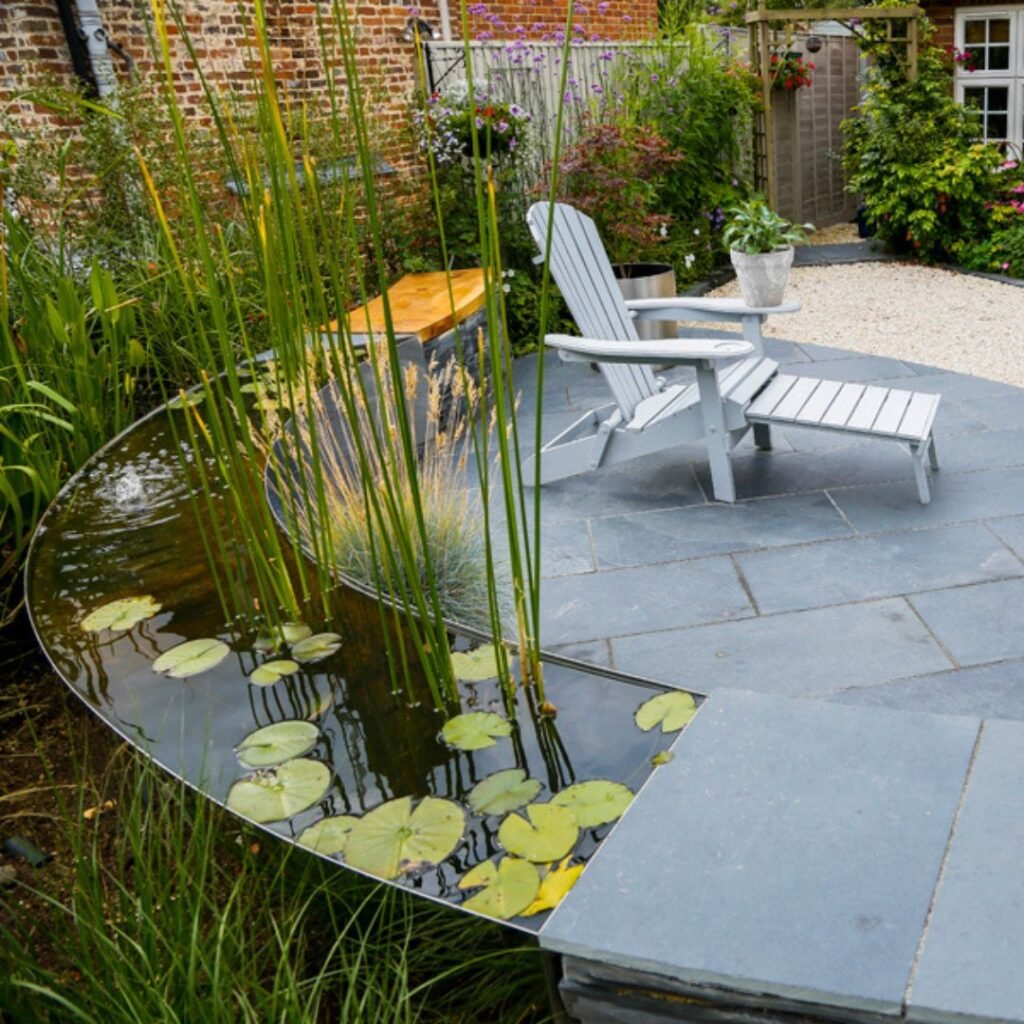
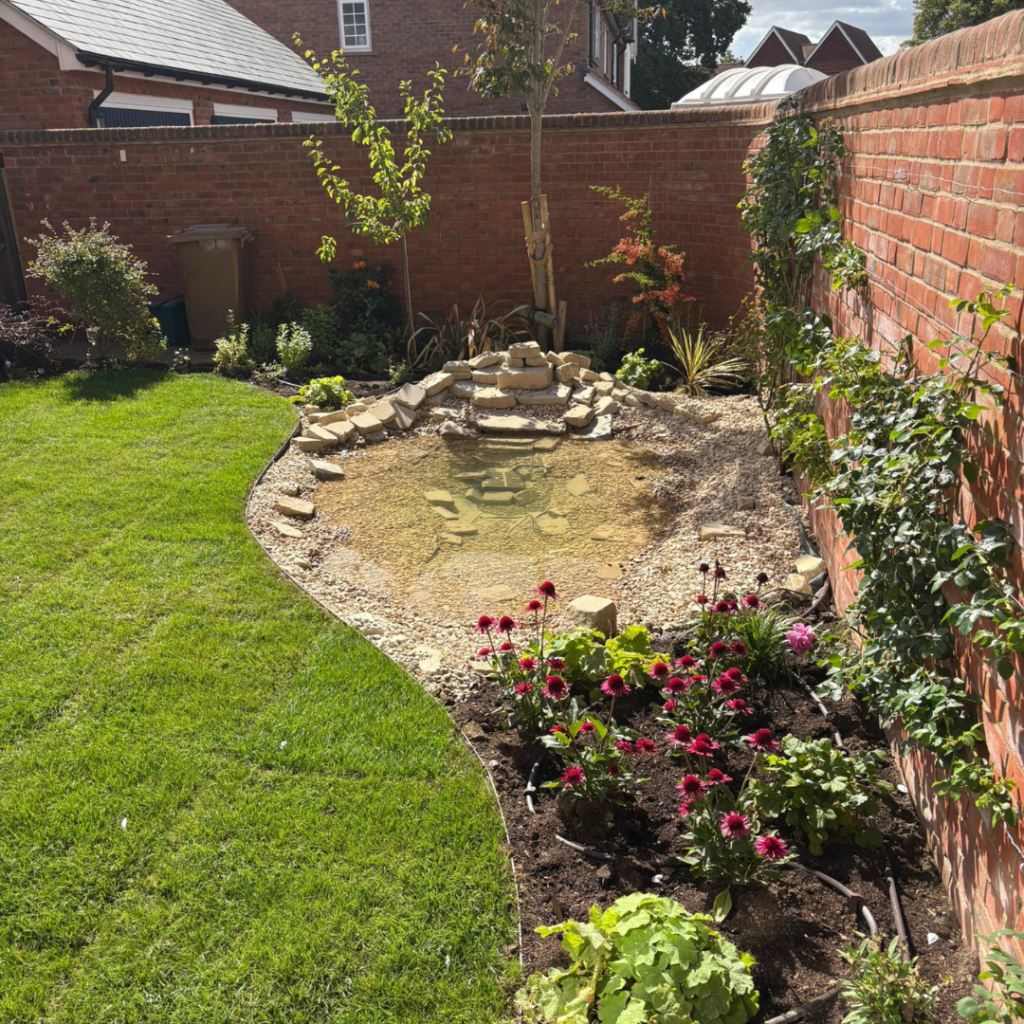
Why even a small pond makes a big difference
We recently attended a wildlife gardening symposium where Professor Mike Jeffries, one of the UK’s leading freshwater ecologists, shared some striking findings about garden ponds.
There are an estimated 2.5 to 3.5 million garden ponds across the UK. Together, they form an extraordinary patchwork of freshwater habitat woven into the fabric of our towns, villages and neighbourhoods. Unlike rivers and streams, which are often affected by agricultural run-off and pollution, garden ponds tend to be relatively clean, sheltered and well-managed. Research shows they support a greater diversity of freshwater invertebrates than rivers or streams. All this makes ponds genuinely unique and invaluable for wildlife.
And if this isn’t enough evidence of the importance of garden ponds, Oxfordshire’s newly launched Local Nature Recovery Strategy lists pond creation as one of the key actions every resident can take to make a real, positive difference.
What wildlife will a pond attract?
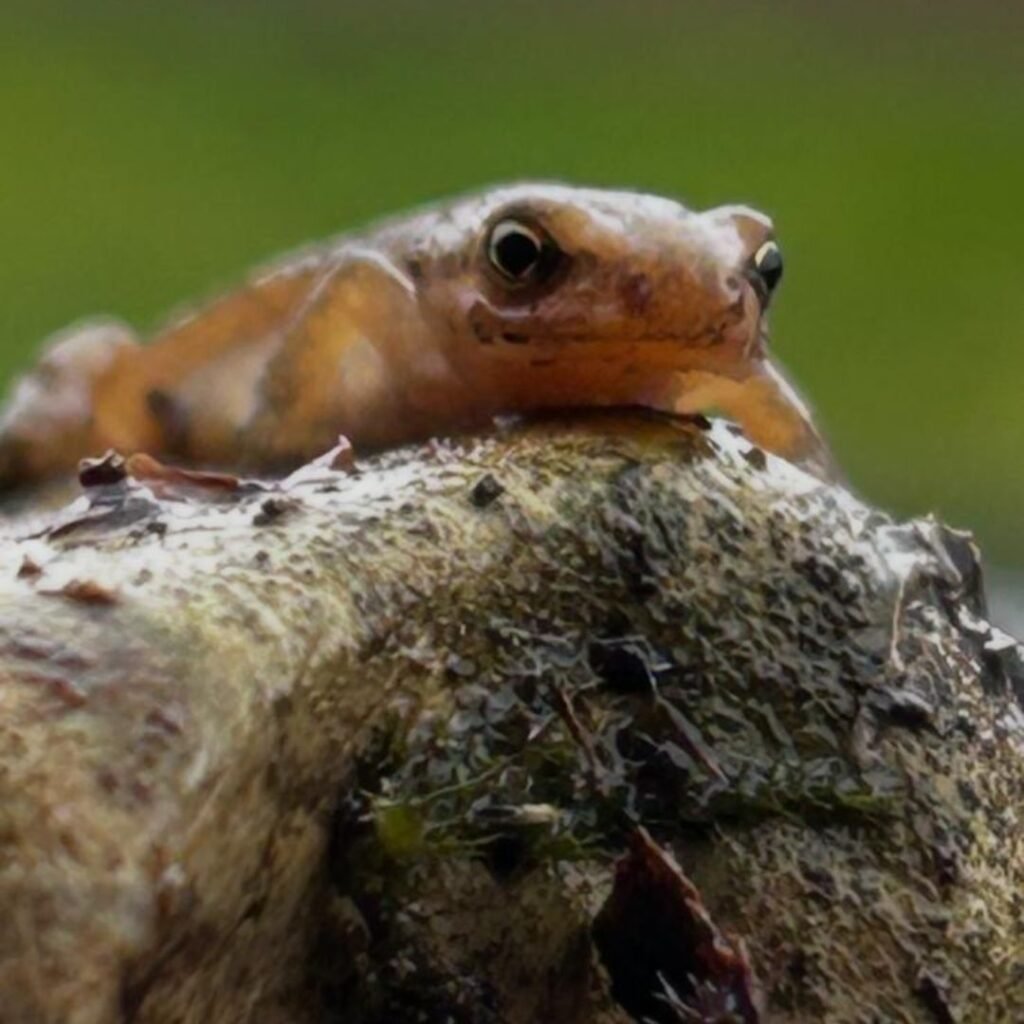
When people think of garden pond wildlife, frogs, newts and toads tend to come to mind first. Garden ponds are vital for amphibians, which have lost huge numbers of breeding sites across the UK’s wider countryside in recent years. A single well-managed garden pond can support breeding populations of common frogs, smooth newts and common toads. Individuals will often move between nearby ponds across the season.
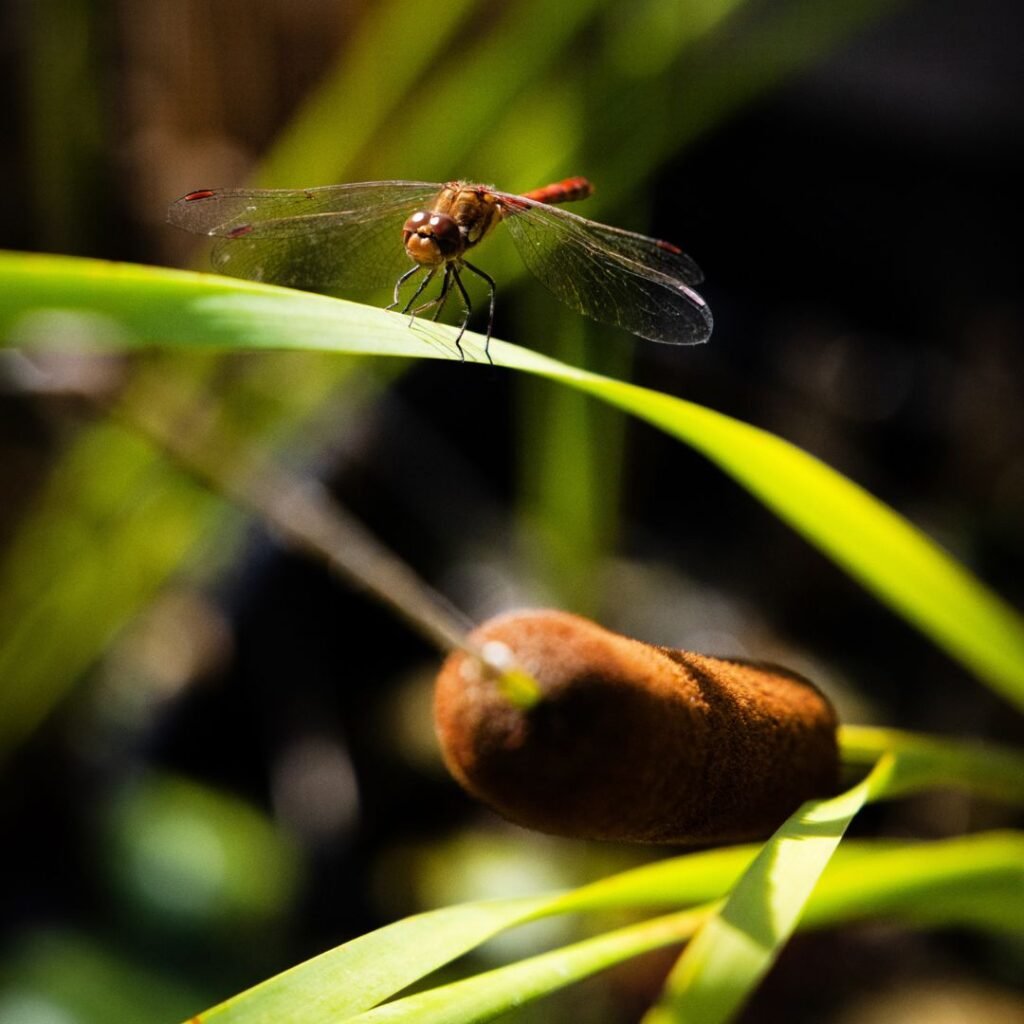
But the story goes well beyond amphibians. A healthy pond becomes home to a remarkable range of important invertebrates; water boatmen, pond skaters, diving beetles, damselfly and dragonfly larvae and much more. Many of these hatch out and take to the air, becoming accidental pollinators as they visit flowers in the garden. They also act as vital predators to control mosquitos and other small insects. In turn, they provide food for swifts, swallows and bats feeding above the water.
Ponds connect us to the whole web of garden life. As BBC Winterwatch presenter Michaela Strachan recently said of ponds: ‘Build it and they will come’. In our experience, it is absolutely true. We have seen new ponds colonised by frogs within weeks of the water going in and dragonflies arriving within a single season.
What makes a good garden pond?
Professor Jeffries was refreshingly honest: a lot of the advice on garden ponds is either misleading or unnecessarily off-putting. Here is what the research actually tells us.
1. Water quality comes first.
The quality of the water matters more than the size of the pond. Rainwater is ideal. If you can collect it from a roof or downpipe, so much the better. A smaller pond with clear, clean water will support far more wildlife than a larger one with murky, nutrient-rich water.
2. Shallow edges are where the life is.
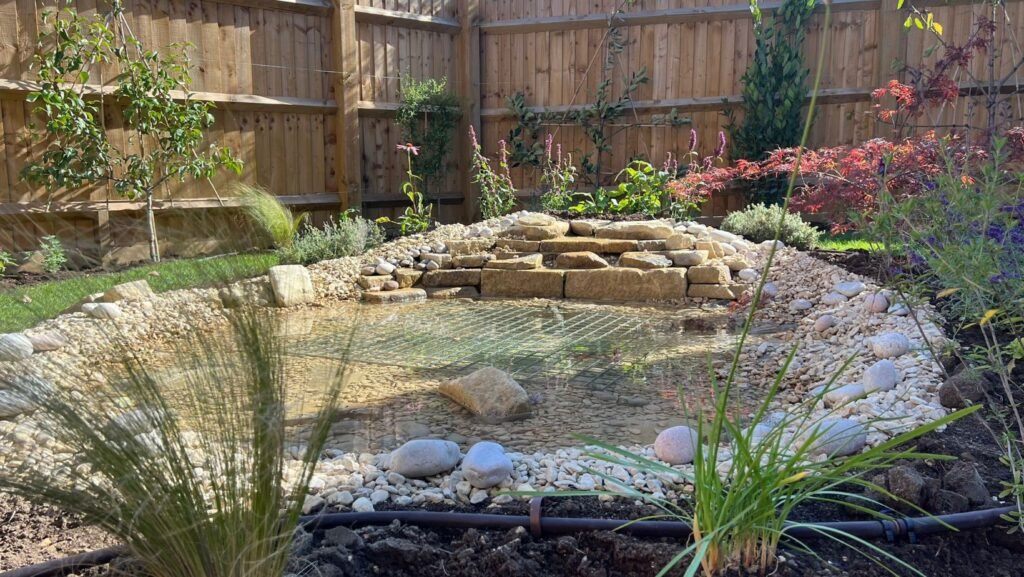
Most pond invertebrates live and breed in shallow margins. A gently sloping edge with areas of 20–30cm depth is far more valuable than a deep, steep-sided feature. A deeper central section of around 60cm provides a useful refuge in a hard winter.
3. Size matters less than you think.
A body of water qualifies as a pond if it holds water for more than four months a year and covers at least one square metre. If that is all you have room for, it is worth doing. We have written before about the different styles and scales of water features that are possible, from small containers on a deck to generous naturalistic ponds in our guide to creating your perfect pond.
4. A cluster of ponds is better than one.
If you have space for more than one smaller pond, or neighbours who are similarly minded, a group of ponds supports more species than a single large one. Amphibians in particular thrive when they can move between nearby water bodies.
5. The surroundings matter.
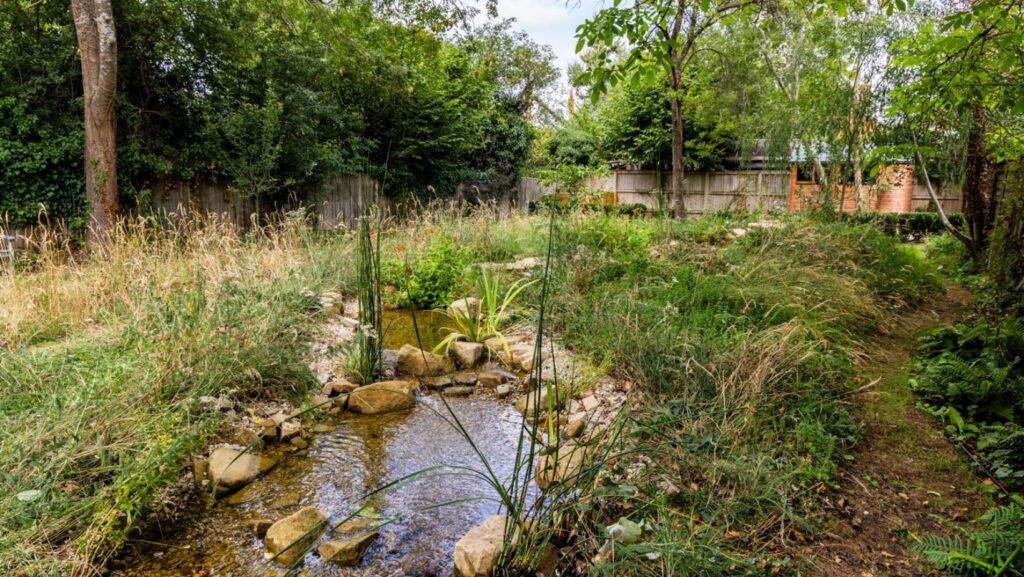
A rough, unmown buffer of grass and wildflowers around the edges, along with log piles nearby, gives amphibians and invertebrates places to shelter, overwinter and move safely between the water and the wider garden.
6. Leave out the fish.
This is one of the clearest messages from the research. Fish change the water chemistry and eat invertebrates, making ponds significantly less valuable for wildlife. If a wildlife pond is your goal, fish are best left out, though, as we noted in our earlier pond guide, there are design solutions if you want both.
7. Wildlife ponds are not for dogs.
A lesser-known issue is that dogs treated with spot-on flea treatments carry pesticide residues on their coats, which can leach into pond water. Worth keeping in mind if your dog loves a paddle.
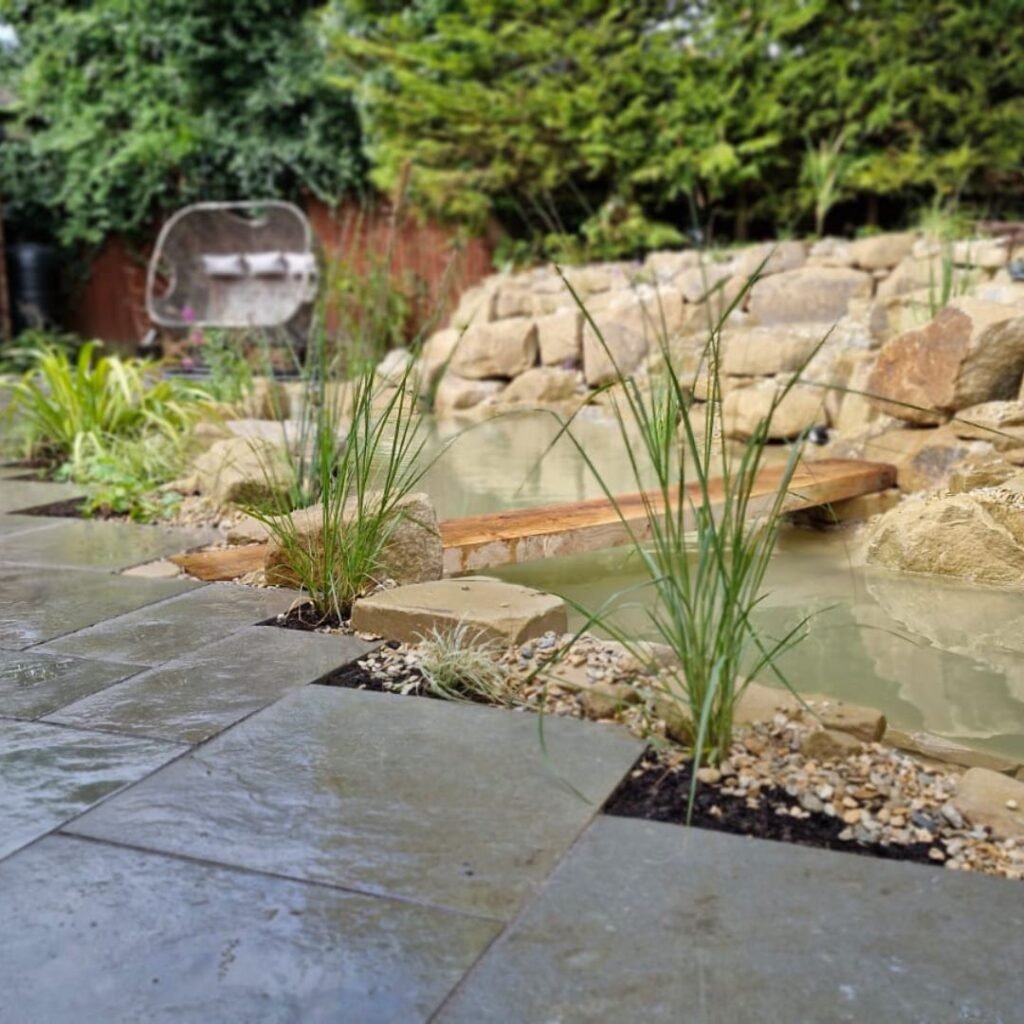
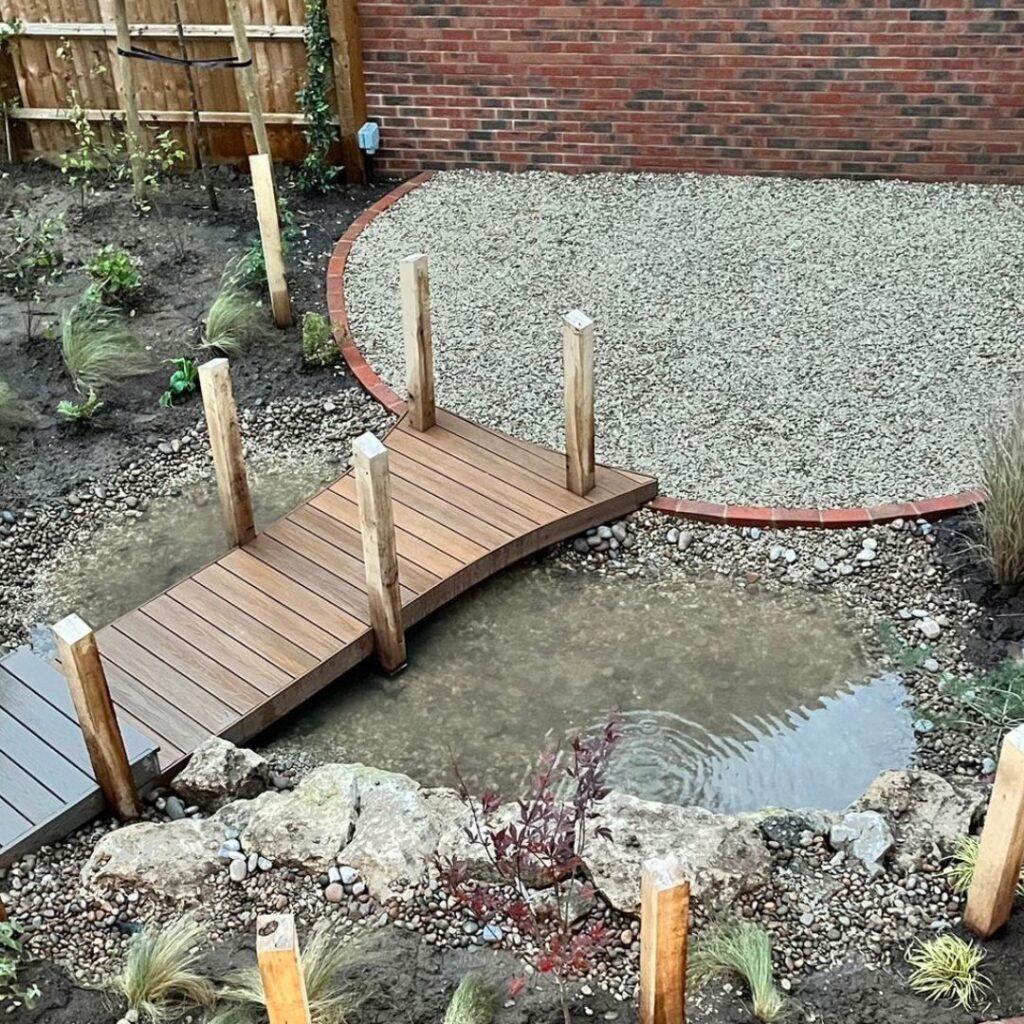
The art of designing and planting a pond
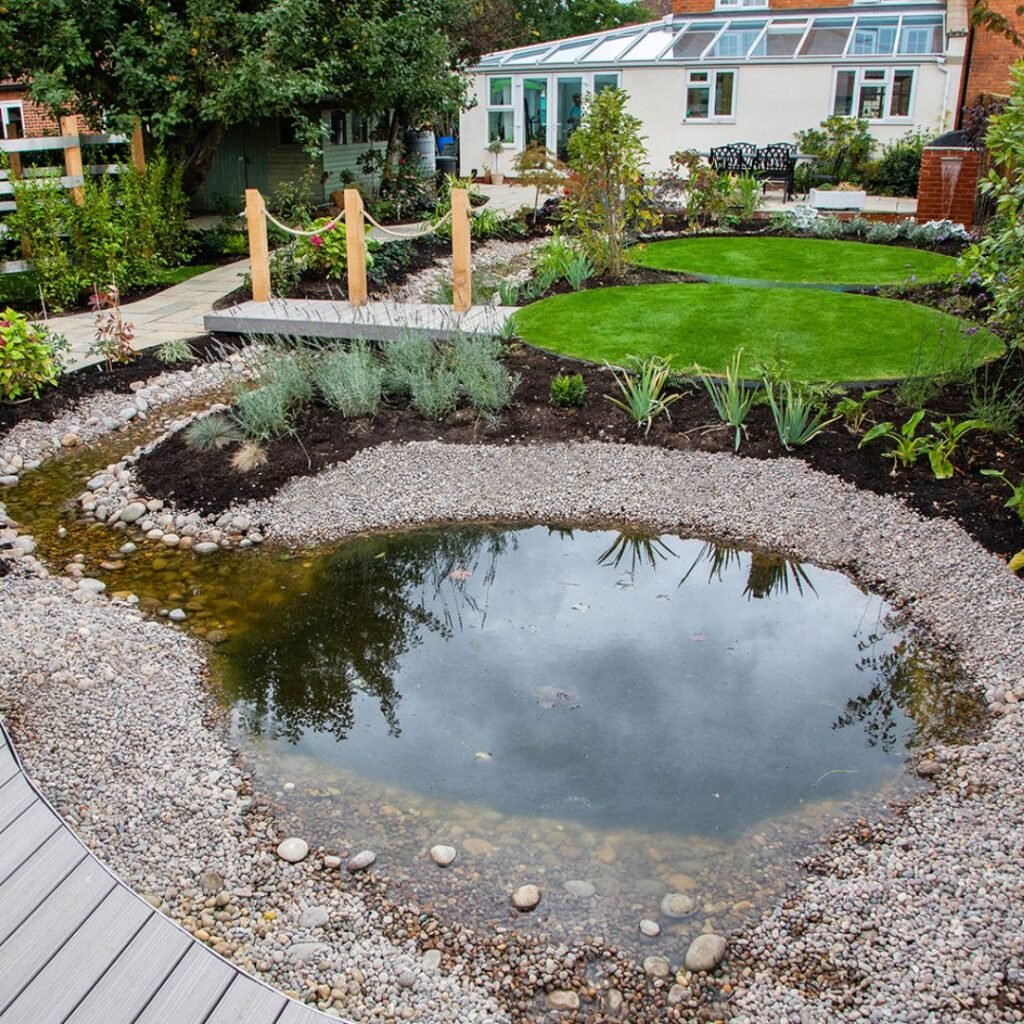
At GreenArt, we see ponds as living systems, shaped as much by how they’re built as by what’s planted within them. When those elements are in balance, the results can be extraordinary.
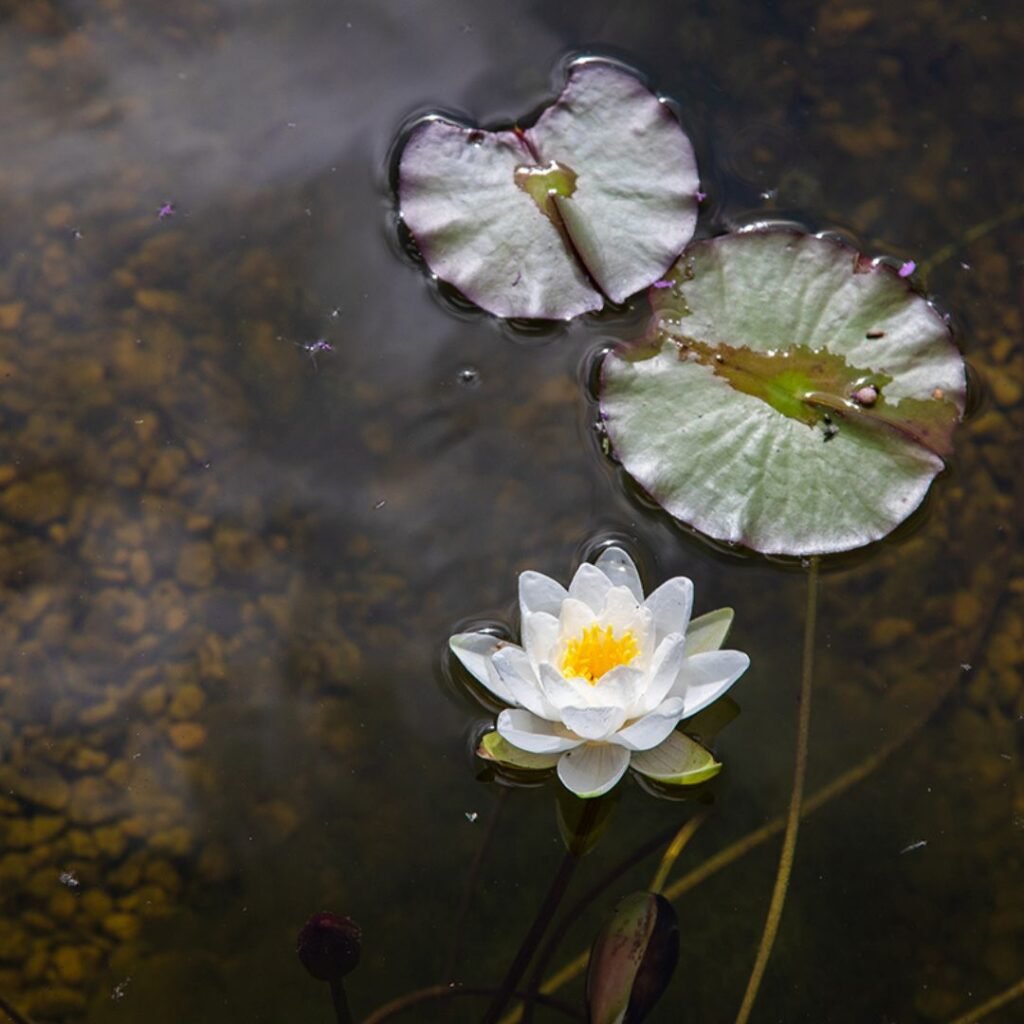
Aquatic planting works in layers. Deep water plants like water lilies shade the surface and help control algae. Marginal plants such as water forget-me-not, marsh marigold, water mint and yellow flag iris create the shallow, sheltered edges where most pond life is found. Submerged oxygenators like hornwort help keep the water clear, while surrounding grasses, wildflowers and damp-loving plants such as ragged-robin and meadowsweet tie the pond into the wider garden.
But planting is only one part of the equation. How a pond is built, its depth, edge profile, water source and materials has an equally important influence on how it performs over time. While traditional approaches like clay puddling can sound appealing, they are rarely reliable in the long term. A properly specified and installed liner system, combined with the right construction detail, creates a far more stable and resilient foundation.
It’s important to use high-quality materials and specialist components throughout. All pumps, filtration and electrical work carried out by qualified professionals. Getting the groundwork right from the start means a pond that establishes quickly, supports more wildlife and avoids many of the common issues we see in poorly planned ponds.
At GreenArt we’ve been designing and building ponds and water features for nearly thirty years; from small wildlife ponds to large, complex schemes. The principle is always the same. When design, planting and build are considered together, the results are more robust, more beautiful and far longer-lasting.
Style matters too. A wildlife pond in a naturalistic garden will look very different to one in a contemporary setting, but both can deliver exceptional biodiversity when designed well. We design to the garden — not to a formula.
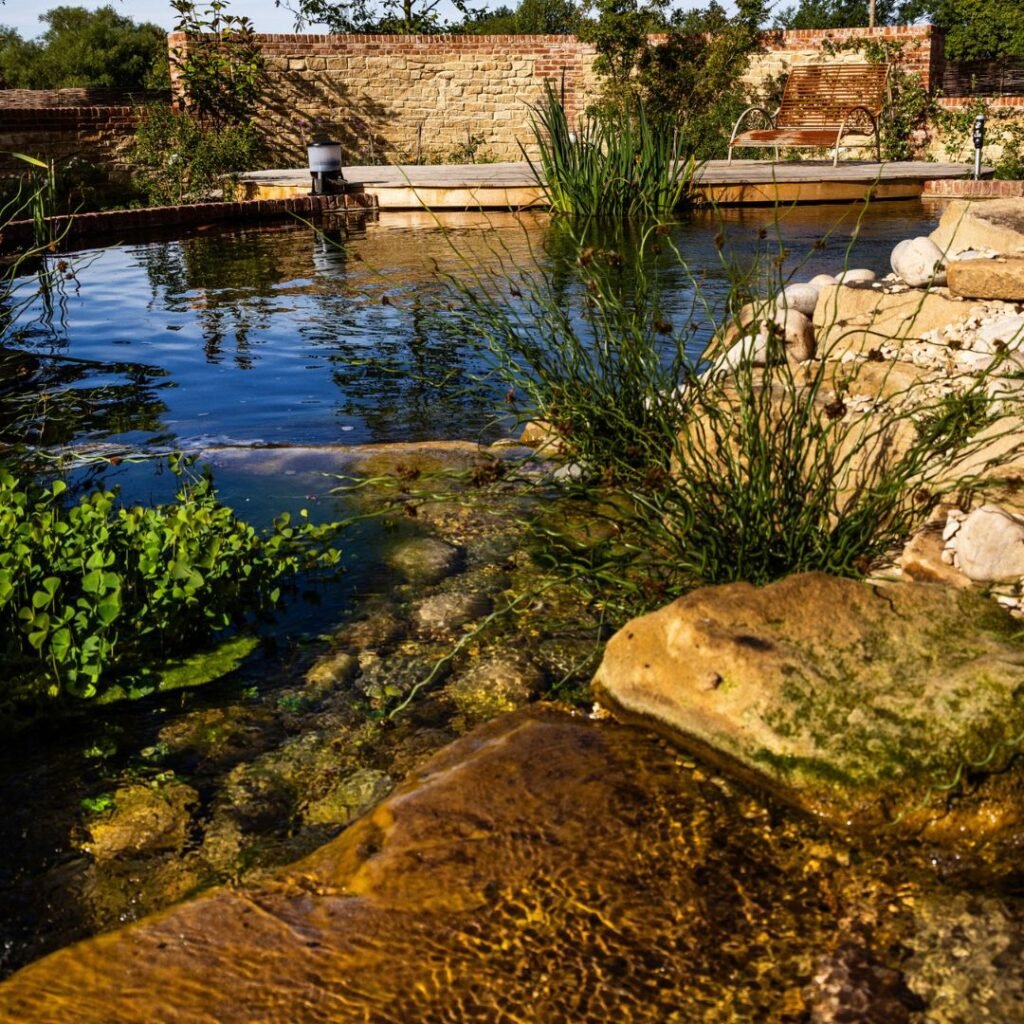
Caring for your pond
In the short term, pond care is usually simple. It often includes raking out blanket weed in summer and skimming duckweed from the surface. Both are signs that nutrient levels are slightly high.
Pond pumps should be left running year-round. This helps aerate and reduce algae growth in the summer and prevent freezing in the winter. They should also be checked annually (following the manufacturer’s instructions and after being fully disconnected from the electrical supply). This helps avoid blockages that could cause damage.
The golden rule, as Professor Jeffries was clear about, is to avoid chemical treatments entirely. Once you start, the natural balance is disrupted and is very hard to restore.
In the longer term, most ponds benefit from a thorough clear-out roughly every ten years. This include de-silting, thinning overgrown marginals and refreshing the planting scheme.
Our Care & Development team look after ponds of all shapes, sizes and ages, from the annual spring tidy to the full ten-year restoration. If your pond has lost its magic, it is almost always recoverable.
How wildlife-friendly is your garden?
If you’re inspired by the idea of adding a pond to your garden, it’s worth stepping back and looking at your garden as a whole.
We’ve created a simple, practical scorecard to help you understand how wildlife-friendly your garden currently is and where the biggest opportunities lie.
Take our “How wildlife-friendly is your garden?” quiz
It takes just a few minutes and gives you tailored insights, whether you’re starting from scratch or looking to build on what you already have.
You can also find out more about the full range of water features we design and build.
Or get in touch at info@greenart.co.uk, call 01491 280447 or visit www.greenart.co.uk to book a free consultation.